
They Were the Voices of El Fasher — Until They Fell Silent
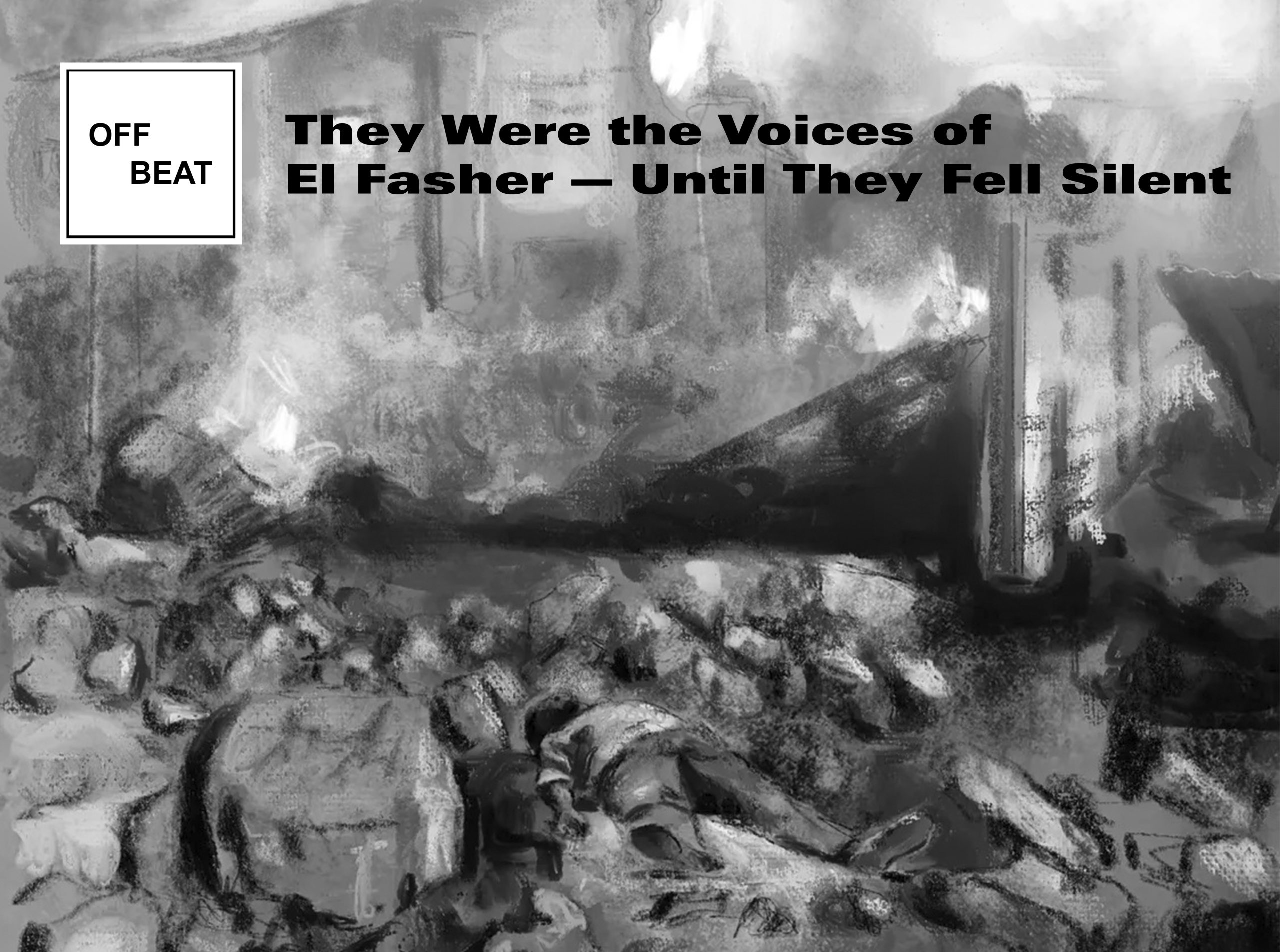
For over 500 days, they told the world about life under siege in the Sudanese city of El Fasher while living through famine, relentless shelling, and brutal atrocities across an ever-shrinking pocket of land. Now they are all either missing, captured, or dead.
Abbas
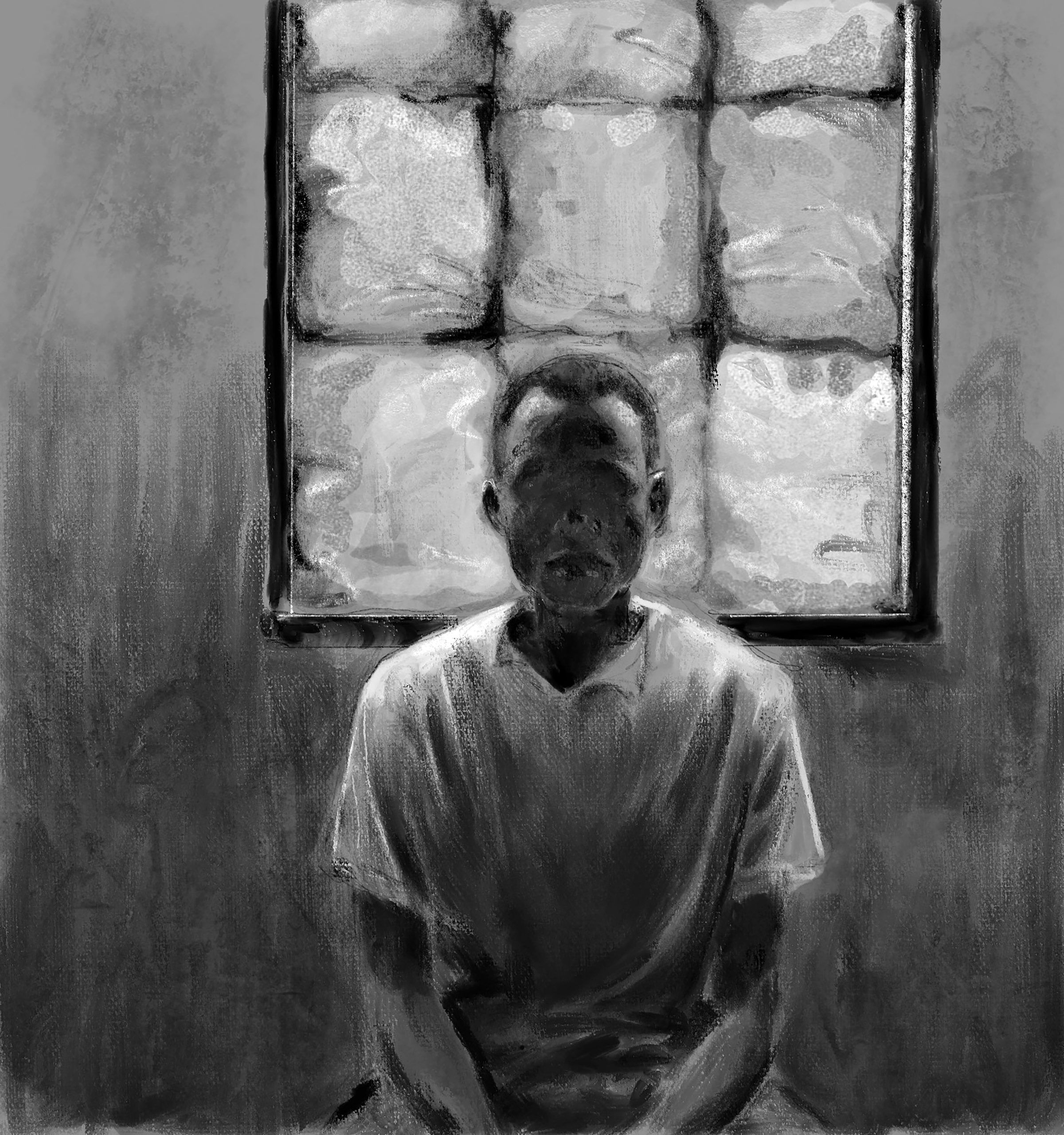
“I don’t want to cry at the end. I want to die smiling because I will accept my fate,” ‘Abbas’ says to me over a video message sent from El Fasher.
Indeed, he smiles when he utters the words. But a sense of doubt remains visible on his face.
This would be the last time I saw him before the city fell — and before he, along with countless others, went missing.
Abbas, which is not his real name, is a young Sudanese man who has been stuck in the city of El Fasher since the spring of 2024. It was at this time that the Rapid Support Forces (RSF), a paramilitary organization which revolted against the Sudanese government, had imposed a brutal siege on the city.
El Fasher was the last city in the western region of Darfur that remained outside the RSF’s control. By the time I spoke with Abbas, the city’s food supply had effectively run out. The RSF’s brutal siege had prevented any aid from reaching the 260,000 civilians estimated to remain under siege by the militants.
When I reached out to Abbas for an interview, he asked if I could send the questions beforehand. He was a bit shy about his English language skills, and instead of talking on the phone, preferred to read the questions over before answering them through a series of video messages.
Graciously, I sent over a series of 16 questions for Abbas to answer. Two days later I received 16 videos — one for each question.
In the videos, Abbas sits in an empty room afront a window covered by three rows of sandbags which had been placed there as protection against relentless shelling by the RSF.
“The situation in El Fasher is very bad, worse honestly than you could imagine,” he explains. “There is no food. The markets are empty. People are eating the leaves of trees and the hides of cows because there is nothing else left.”
Despite all the hardships, and although his family was able to escape just before the siege was imposed, Abbas was determined to remain in the city. As he told me in a follow-up voice recording: “I want to stay here and help people. I’m volunteering in al-Saudi hospital where there are many patients, people with trauma injuries. There is no one else to help them so I want to stay there.”
It would be only four days after Abbas sent me this message that the city of El Fasher would fall, and the al-Saudi hospital would be raided.
According to the World Health Organization (WHO), after seizing the city, militants belonging to the RSF committed a massacre in al-Saudi hospital and other hospitals which were still functioning in the city of El Fasher. Reports state an estimated 460 patients were murdered in their beds by RSF gunmen.
A video which appeared online and was geolocated to the nearby university hospital shows an RSF militant walking through a hallway filled with dead bodies. At the end of the video, he shoots the last surviving patient point-blank before walking outside. The WHO has stated that a number of health care workers and volunteers in the city were likely kidnapped for ransom — but the fate of the rest remain unknown.
Meanwhile, Not a single message sent to Abbas after the fall of the city has been answered.
The fall of El Fasher had been feared for a long time. For months the RSF had advanced bit by bit, sometimes taking only a single street while at other times overrunning entire neighborhoods. But when news broke that the resistance had finally collapsed and the militants were in full control, it still came as a shock. Very soon, the first reports came out of brutal mass killings across the city. Videos appeared online of RSF gunmen executing unarmed civilians — some lined up and shot point blank, others hunted down across open fields for sport.
The videos, without exception, were all filmed by the militants themselves. Feeling confident that they could document their own crimes and get away with it, it was the perpetrators of the brutal massacres who gave the outside world a glimpse of the horrors that took place within the city and its countryside.
Many videos show executions at an earthen berm, dug by the RSF around the entire city of El Fasher as a barrier. This berm was not meant as a defense to keep anyone out, but as a cage meant to keep anyone who tried to escape trapped inside. In one video, RSF militants tell a group of men they captured to grab their belongings and go, assuring them of their freedom. But when the men do as they’re told, they’re shot in the back, dropping to the ground one after the other.
Another video shot by an RSF militant shows an RSF Jeep driving across the countryside; the Jeep nearly tramples a man running by himself through the tall grass, missing him by a fraction of an inch. Afterwards, a child soldier steps out, robs the man of his belongings, and shoots him as he pleads for mercy.
A third video shows another RSF Jeep cruising the same countryside, with dozens of dead bodies spread across the terrain. ‘This is what a genocide looks like,’ one of the RSF men in the Jeep says tauntingly.
Researchers at Yale published satellite imagery of the city following its takeover by the RSF. The images showed pools of blood visible from space, suggesting the scale of the bloodshed has been enormous. Estimates of the death toll currently stand at around 7,000, but considering the city’s pre-war population of approximately 250,000, this is likely a sharp under-count: many analysts believe the death toll may comprise tens of thousands, if not more.
Mohamed
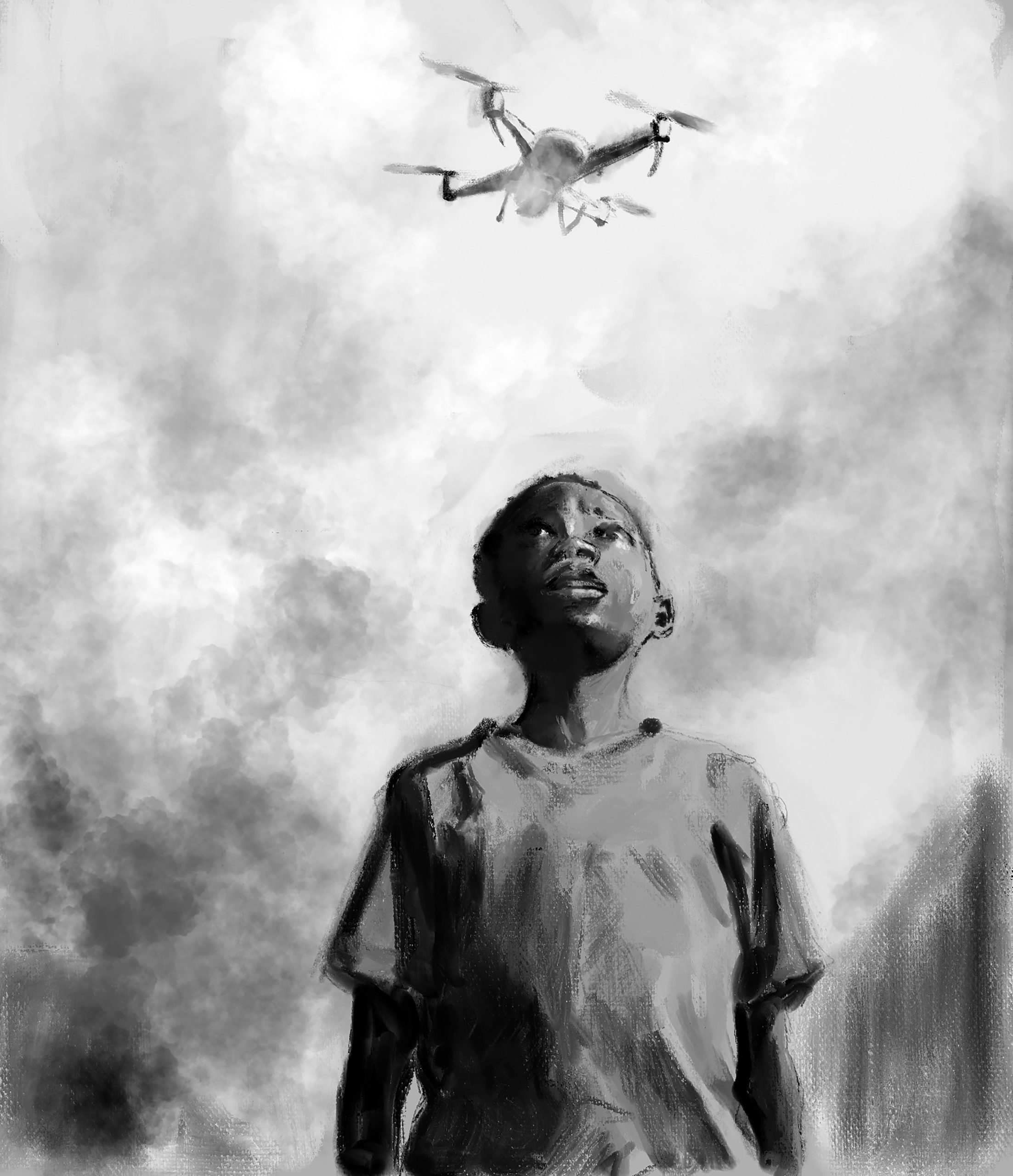
Mohamed Khamis Duda was also under siege, just like Abbas. Being the official spokesman of Zamzam, a displacement camp just south of El Fasher which had been overrun by the RSF back in April of 2024, Mohamed often spoke to international media about the circumstances in the city and about the fate of countless IDPs who remained trapped by the war.
When I spoke to Mohamed, he was also determined to remain. Yet his public profile made him a target. As the RSF seized control of the city, they started hunting for prominent activists, journalists, and politicians. Mohamed was one of them. News of his murder at the hands of the RSF broke the very next day. Mohamed’s family members have since confirmed that he has indeed been killed by the RSF.
In the final days of the siege, Mohamed voiced his confidence that El Fasher would not fall into the hands of the RSF. “The military and our public resistance are fighting at full power on all fronts,” he said. “There are daily RSF attacks, and our forces are constantly pushing them back. People here in the city aren’t afraid the RSF will come. But we do fear hunger, we fear starvation.”
Mohamed was very much aware of the risks that came with escaping the city, knowing that outside El Fasher’s perimeters, the RSF were waiting.
“Many people that try to flee the city have been captured by the RSF,” he explained. “Some were killed, others were kidnapped for ransom. The RSF would have them call their family and ask them for huge amounts of money. When the family can’t collect the money to buy their freedom, they are killed. I have even heard of people who were forcibly taken to [the] hospital so the RSF could drain them of their blood. Blood which they needed to treat their own injured soldiers.”
This danger counted doubly for those brave attempted siege-breakers outside the city, who tried to smuggle much-needed food inside. In the final weeks of the siege, a smuggling team told Sky News that they had lost at least 30 volunteers in a week — all of them killed by the RSF. Mohamed told of one of the latest teams that tried to make it into the city.
“They went on foot all across the mountains to reach the city,” he explained, “carrying goods like sugar, insulin, and other supplies. It was a team of 8, of which only three managed to get inside the city. The other five were captured. These smugglers are risking everything to reach us because their own families are trapped inside the city with us.”
Once inside the city, the smugglers would also find themselves under the relentless shelling of the RSF — shelling made that much more dangerous by the widespread rumor that RSF spies were present inside the city of El Fasher itself.
“People are moving around very carefully,” Mohamed explained. “We don’t know who to trust anymore. RSF drones are also constantly patrolling the skies. At night we’re afraid to turn on our phones or even light a cigarette, because we fear the drones might spot the light. People try to leave their homes as little as they can. Some have even buried their loved ones inside their homes, as the risk of being hit by shelling or drones when going outside is just too great.”
Muammar
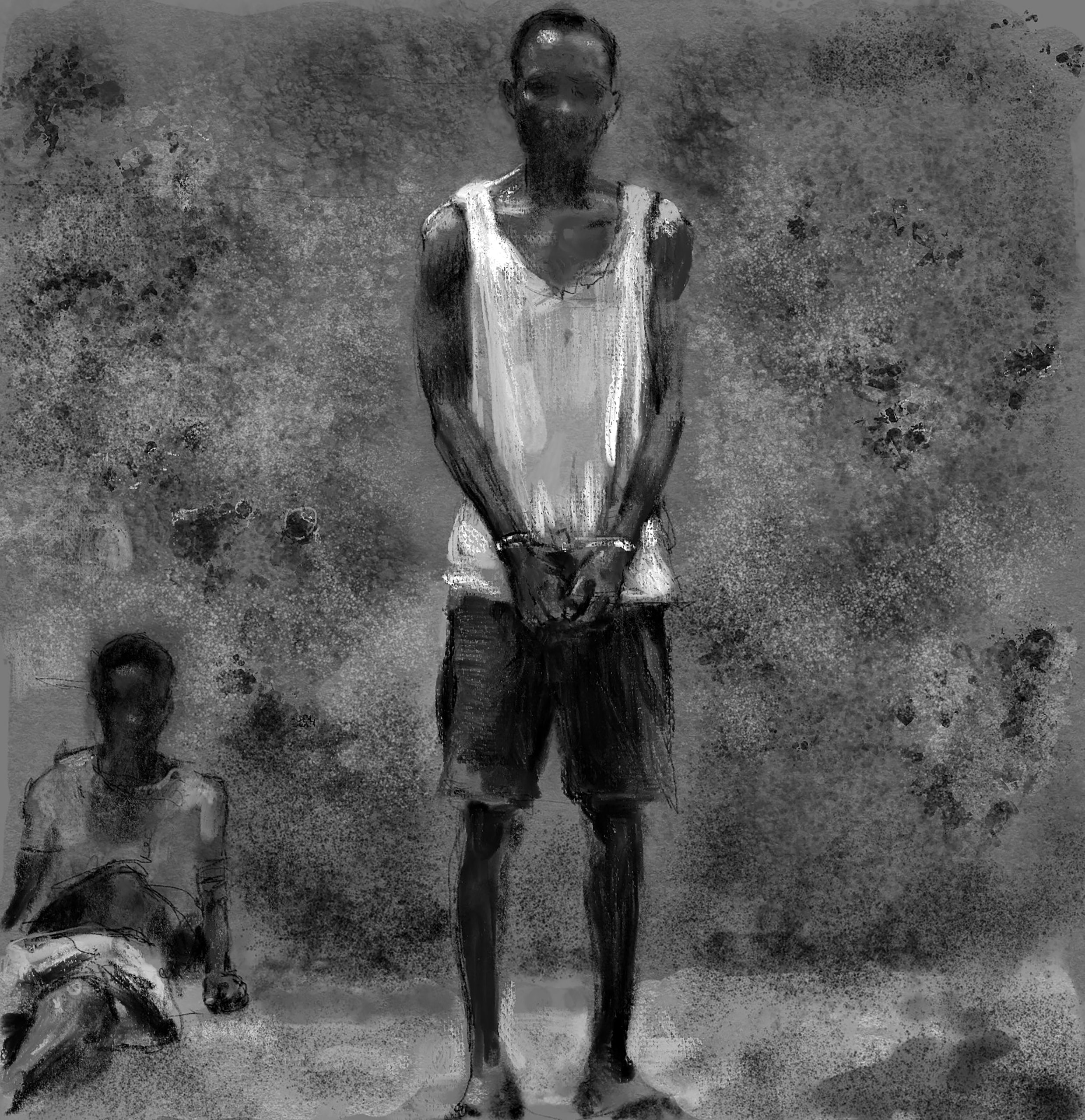
Muammar Ibrahim knew the stories all too well. Being one of the last remaining journalists inside El Fasher, Muammar reported almost daily on the reality of life under siege, and of the dangers that lay outside the city. He was a regular correspondent on Al Jazeera Mubasher, which made him well known around Sudan, both to friend and enemy alike.
He described how people in the city had resorted to eating animal feed in order to survive. On October 22, 2025, he wrote on X:
“The residents of El Fasher are suffering from severe hunger due to the ongoing siege, while the world watches their suffering without intervention, at a time when the Sudanese government is preoccupied with its internal bureaucratic conflicts. Here, children and women are dying of hunger.. In El Fasher, there’s no food, no food, God is the one to seek help from.”
This was followed up with a final message on October 26th, 2025, the night the city fell:
“El Fasher. May God protect its people .. Prayers”
That very same night, news broke that the RSF had kidnapped Muammar as he tried to escape the city. He would later appear in several videos together with his captors. They tauntingly told him they heard that he had been eating animal feed these past weeks. he following days, Muammar’s condition remained a mystery — until he appeared again in an RSF propaganda video sitting in an office in the city of Nyala, together with RSF spokesman Al-Fatih Qurashi. The spokesman stated that Muammar was being investigated for “defamation”, referring to his reporting on the RSF’s brutal siege of the city.
In the video, Muammar stated he had been treated well, and that did not suffer any abuses — statements which, considering the circumstances, were clearly made under duress.
An international campaign has since been launched on his behalf, with the International Federation of Journalists, the Sudanese Union of Journalists, and Al Jazeera all calling for his unconditional release. A number of Sudanese activists have stated that if not for his release, they hope the international pressure will keep the RSF from harming him as they have done with countless others. However, as of the date of this article’s publication, Muammar is still missing.
The Long, Forgotten War
When the city of El Fasher fell, it was estimated that around 260,000 people were still present under siege: the International Organization of Migration stated that around 177,000 people remained trapped in the city after it fell, with another 70,000 having attempted to escape.
Tawila, a nearby town controlled by the neutral Sudan Liberation Army (SLA) and therefore one of the last remaining places in Darfur considered to be relatively safe, has also witnessed an influx of people following El Fasher’s fall. However, local aid organizations claim that the number of new arrivals in Tawila since the end of November 2025 was only around 10,000 people. This would leave around 60,000 people unaccounted for.
Those that did make it to Tawila tell stories of absolute horror. One woman by the name of Hayat told the Sudanese media channel Ayin Network how shells fired by the RSF had killed her son and injured her husband, whom she was forced to leave behind as she attempted to escape. She detailed how, when she escaped, she was beaten by RSF militants multiple times and eventually detained along with thousands of others. The RSF apparently told the women and children they were free to go — but all the men were taken away. They are all suspected to have been killed.
Whether Abbas was among these men, among the victims in the Saudi hospital, or among any of the lucky few that managed to reach the safety of Tawila, remains unknown. All that is known is that Mohamed has been murdered and Muammar remains in RSF captivity, both punished for daring to be the voices of their communities and for speaking up against the brutal atrocities of the Rapid Support Forces.
“I call on the United Nations, please intervene. People are dying of hunger,” were Mohamed’s parting words as we ended our conversation. Tragically for him, as well as thousands of others, help came either too late or not at all.
“Why was the world able to drop humanitarian supplies into Gaza, but not into El Fasher?”, Abbas asked towards the end of our conversation. “Why is nobody saving us? We need food, we need medication, we need peace. I don’t want to see any more people get killed. I don’t want to see any more people be bombed or starved. Please drop food supplies into the city.”
Abbas has not been heard from since. Some friends say they’ve heard that Abbas was spotted in Tawila, which would mean he miraculously made it out. But nothing has been confirmed as of yet.
And so, after more than 500 days, the brutal siege of El Fasher ended in bloodshed. Since the beginning of the battle and in the months preceding it, Sudanese activists and international organizations warned of the likelihood of mass killings should the RSF establish full control over the city. The warnings were made, but remained unheeded by the international community. An accurate estimation of the death toll may never be fully know, but the city of El Fasher can already be put on the long list — among Srebrenica, Rwanda, Syria, and Gaza, to name a few — as a place of mass brutality, predicted by many beforehand yet still allowed to take place. The city has fallen, but the war in Sudan continues to grind on.
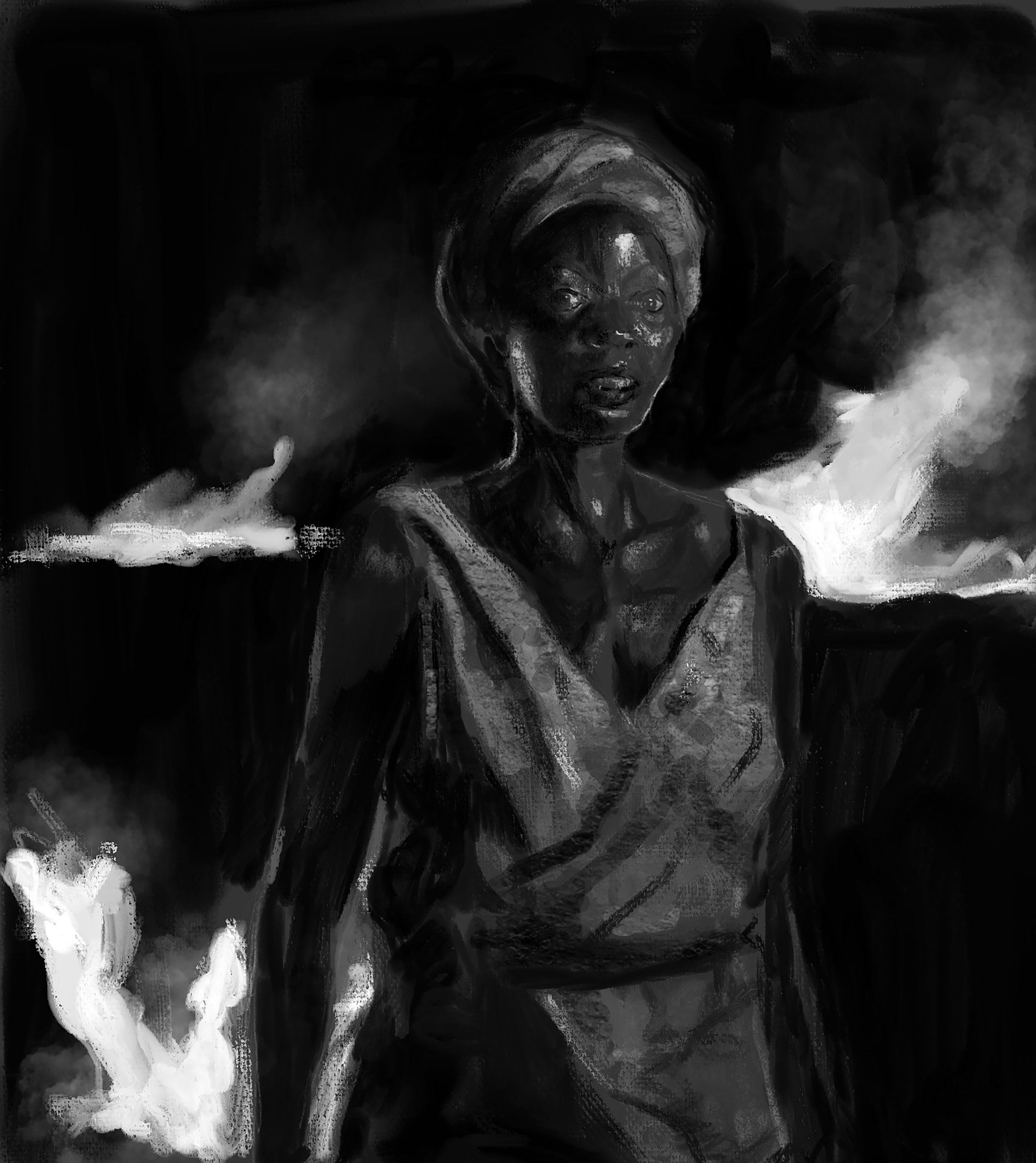
All illustrations drawn by Marc Nelson.
